
Fashion Brand Marketing Strategies: 15 Q&A Tactics to Grow Traffic, AOV & Loyalty
Fashion brands need marketing strategies built for emotion-driven purchases, not generic e-commerce tactics. This Q&A guide delivers 15 actionable strategies to grow traffic, AOV, and loyalty—from smart popup timing to AI-powered personalization—plus how Milano AI executes them 10x faster at 95% lower cost.
Fashion marketing in 2025 isn't about generic e-commerce playbooks—it's about emotion-driven strategies that convert browsers into loyal customers. This Q&A guide delivers 15 actionable tactics fashion brands can implement today to increase traffic, average order value, and customer retention without breaking the bank.
Why do fashion brands need a specific marketing playbook?
Fashion purchasing is fundamentally different from other e-commerce categories. Shoppers buy based on emotion, identity, and aesthetics—not just utility. Fashion brands face unique challenges: high SKU counts with frequent new drops, seasonal collections that demand constant content refreshes, size and fit uncertainty that drives returns, and trend cycles influenced heavily by social media.
Generic e-commerce advice fails because it doesn't account for these dynamics. Fashion brands need strategies that address visual storytelling, style discovery, and the emotional connection between customer identity and product selection. This article focuses on practical, conversion-focused tactics specifically for clothing, footwear, and accessories brands selling online.
What is fashion brand marketing in 2025?
Fashion brand marketing is the coordination of brand storytelling, product promotion, and customer experience across all channels—onsite, social, email, content, and paid advertising. It balances two critical objectives:
- Brand building: Establishing values, story, and visual identity that resonate with your target audience
- Performance marketing: Driving measurable traffic, conversion, and retention through data-driven tactics
The most successful fashion brands in 2025 don't choose between these approaches—they execute both simultaneously. Every campaign image tells your brand story while optimizing for conversions. Every email nurtures relationships while driving immediate sales.
How do I build a brand story that converts?
A compelling brand story isn't just creative writing—it's a conversion tool. Define three core elements:
- Who you're for: Segment by lifestyle, aesthetic, and values (not demographics). Are you for minimalist professionals, sustainable fashion advocates, or streetwear enthusiasts?
- What you stand for: Sustainability, craftsmanship, inclusivity, performance, luxury, affordability—pick your lane and own it.
- What problem you solve: Comfort, confidence, perfect fit, ethical production, versatile workwear, occasion-specific styling.
Weave this story into every touchpoint: homepage hero copy and visuals, collection descriptions explaining why each line exists, and product pages with designer intent and styling notes. Consistency across site, social, and email reinforces recognition and trust.
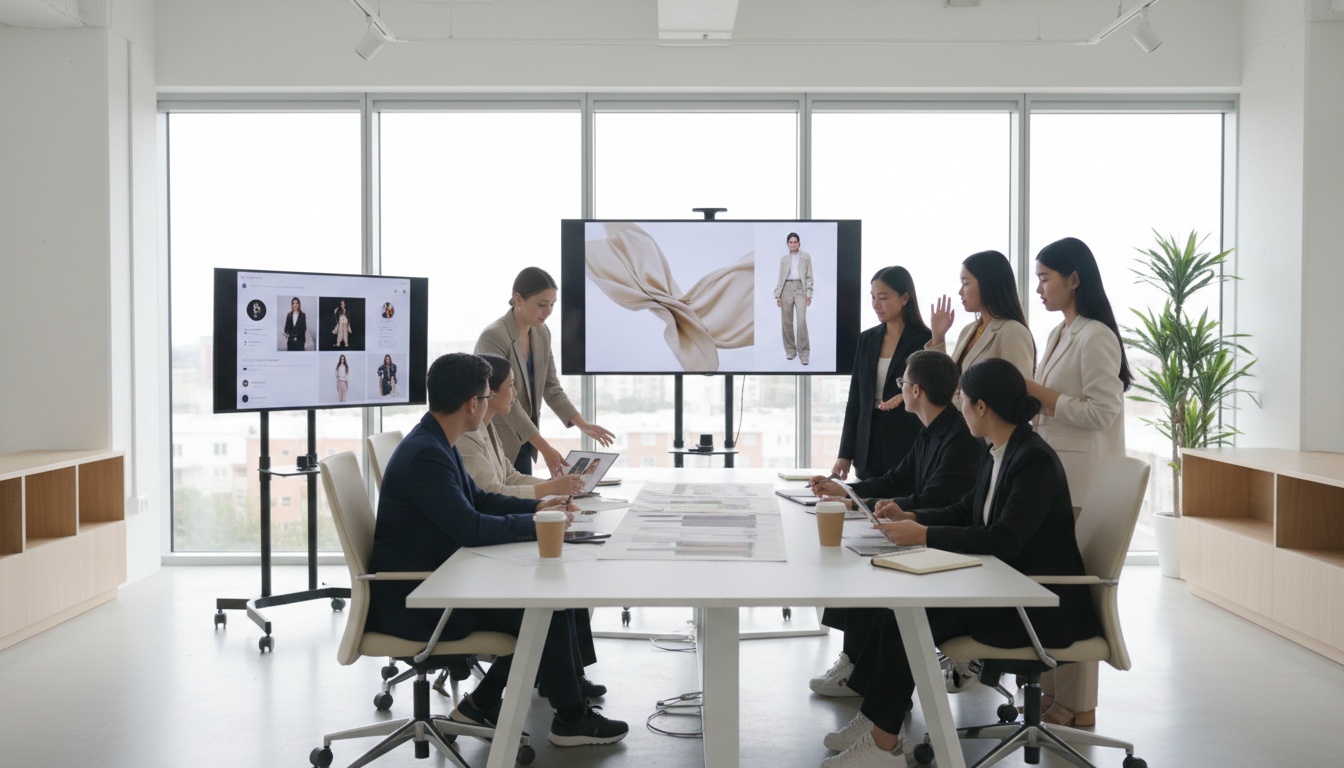
How can I use onsite feeds without cluttering my store?
A discreet onsite feed in your header or corner promotes new arrivals, limited drops, and key collections without overwhelming visitors. Best practices include:
- Short, benefit-led messages: New Linen Capsule – Limited Sizes
- Limit to 1-3 rotating items to avoid noise
- Update based on seasonality and stock levels
Use cases: capsule collection launches, bestseller restocks, flash sales, and exclusive pre-orders. The goal is visibility without visual clutter.
How do I grow AOV with product recommendations?
AI-powered recommendations are essential for fashion brands. Implement:
- Recently viewed reminders for browsing continuity
- Complete the look bundles pairing tops, bottoms, shoes, and accessories
- Similar styles showing alternative cuts, colors, or fabrics
Strategic placement matters: Styled with sections on product pages, subtle cross-sells in cart (socks, belts, bags), and post-purchase recommendations in confirmation emails. Prioritize style and price similarity to maintain relevance and avoid jarring suggestions.
What's the smartest way to use popups?
Popups serve three purposes for fashion brands: email/SMS capture for future drops, promoting time-limited offers, and recovering abandoning visitors. Execute them strategically:
- Format: Full-screen for list-building; slide-ins for subtle promos
- Timing: 20-50 second delay or exit-intent to reduce bounce
- Copy: Clear value like 10% off your first outfit or Free shipping over $75
- Form simplicity: Email first, optional style preferences after
- Instant rewards: Reveal discount codes immediately
Segment popups by visitor type (new vs. returning), category interest (dresses vs. sneakers), and cart value thresholds to maximize relevance.
How can I personalize onsite experiences?
Use behavioral and source-based targeting to customize what visitors see:
- Show Welcome back discounts to returning visitors who didn't purchase
- Offer category-specific promotions based on browsing history
- Display free shipping reminders when cart value is below threshold
- Geotarget messaging by country or city when relevant
Connect onsite behavior with email segments for coordinated follow-up campaigns that reference specific products or categories shoppers viewed.
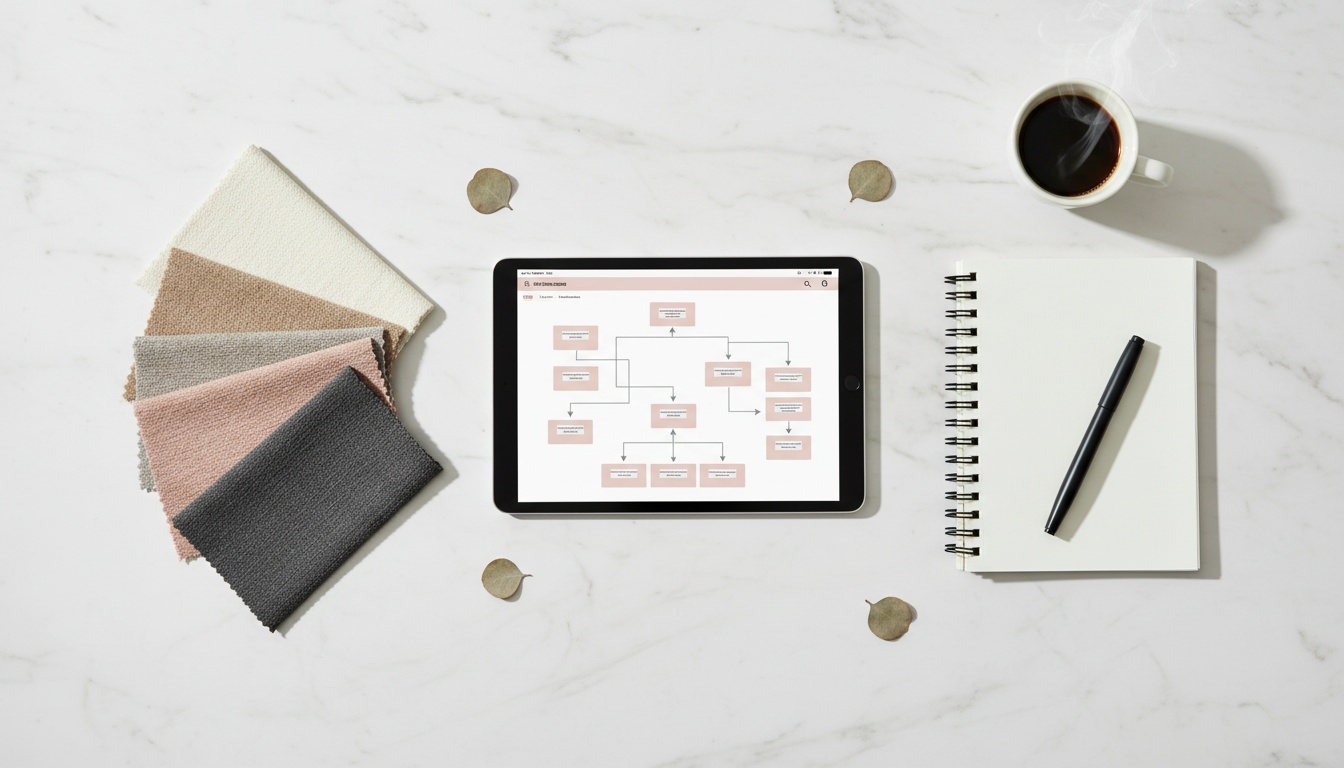
Can surveys help fashion brands?
Product and style surveys serve dual purposes: validating demand before manufacturing (pre-order models) and generating leads. Ask questions like:
- Which silhouettes would you wear?
- What price range feels right for this piece?
- Which colorways should we release first?
Promote surveys via full-screen popups after collection browsing, email campaigns, social stories, and dedicated landing pages for upcoming drops. Collect emails at the end in exchange for updates or early access.
Are product giveaways worth it?
Yes. Giveaways work exceptionally well for fashion because of low entry barriers and highly visual prizes. Best practices:
- Offer relevant prizes: bestselling items, full outfits, or accessory bundles
- Keep entry simple: email opt-in plus optional social actions
- Feature prominently: homepage, popup, social, email
Convert non-winners by sending follow-up discount codes or early access offers, then retarget them with the specific product they entered to win.
How should I promote new drops on my homepage?
Your homepage is your visual storefront. Structure it strategically:
- Hero: One key campaign (drop or collection)
- Secondary blocks: New this week, Back in stock, Bestsellers
- Corner notification: Active promos (sale, free shipping, collab launch)
Feature curated selections instead of every new SKU. A/B test hero images, headlines, and CTAs based on click-through and conversion data.
How can I use promotions without killing margins?
Strategic use of bundles, B2GO/B2G1, and free gifts moves slower inventory while protecting margins:
- Target older collections or high-stock accessories
- Position free gifts as style enhancers (belts, socks, jewelry)
- Message clearly: Buy 2 tops, get a free accessory
Surface promotions via cart notifications, progress bars, category banners, product badges, and value-triggered popups.
How do I solve the I like it, but not this one problem?
Style adjacency is critical in fashion. Shoppers often like the concept but want different colors, cuts, or fabrics. Implement:
- Similar styles and Same item in different color/print sections on product pages
- Tags for fit, fabric, and occasion to power recommendations
- Analytics to identify which items shoppers consider interchangeable
How important are sustainability and ethics?
Increasingly critical. Consumers check materials, production practices, and brand mission before purchasing. Communicate values through:
- Dedicated Sustainability or Our Approach pages
- Product page badges (recycled fabrics, fair labor)
- Blog and social content about supply chain and partnerships
Focus on concrete actions and measurable goals—avoid greenwashing.
What does high-performing email look like?
Core flows include welcome series with brand story plus first-purchase incentive, abandoned cart and browse reminders, and post-purchase flows with care tips and styling ideas. Segment by:
- Category interest (dresses vs. activewear vs. footwear)
- Engagement level (VIPs, one-time buyers, lapsed customers)
- Values (sustainability-first, sale lovers, trend followers)
Content themes: new drops, lookbooks, styling guides, back in stock, and limited-time offers.
How can Milano AI execute these strategies faster?
Milano AI is the complete AI-powered platform built exclusively for fashion and e-commerce brands. It connects directly to the strategies above:
- Visual content for campaigns: Transform product photos into campaign imagery, lifestyle scenes, and marketing videos in minutes—perfect for new drops, giveaways, promotions, and collection launches.
- Catalog optimization: Generate unlimited image variations (white background, lifestyle, ghost mannequin, marketplace-optimized) to support product discovery and recommendations.
- AI photo editing: Handle creative requests in plain English—background changes, color tweaks, cleanup—so you can match campaigns to seasons and trends without reshoots.
- Marketing automation suite: Launch video campaigns with templates, create AI avatar videos for product demos, and automate social content aligned with onsite promotions.
- Content & SEO: Generate daily SEO-optimized blog posts that reinforce your brand story and help you rank on search engines and AI assistants.
- Omnichannel consistency: Design interactive catalogs, lookbooks, and live shopping experiences that mirror what shoppers see across all channels.
For indie labels and small teams, Milano AI replaces multiple agencies and freelancers with one integrated platform. Mid-size and multi-channel retailers scale content production 10x, cut creative costs by up to 95%, and compress weeks of work into minutes. CMOs, e-commerce managers, and marketing directors gain a single system that understands fashion aesthetics and optimizes content for conversions across e-commerce, social, search, and AI recommendation systems.
Milano AI is the operating system for fashion e-commerce—turning ideas from this Q&A into fully executed campaigns, visuals, and automations without extra headcount or complex tech stacks.
Frequently Asked Questions
Fashion marketing is driven by emotion, identity, and aesthetics rather than utility. Fashion brands face unique challenges including high SKU counts with frequent new drops, seasonal collections requiring constant content, size and fit uncertainty, and trend cycles heavily influenced by social media. Successful fashion marketing balances brand storytelling with performance tactics, addressing visual discovery and the emotional connection between customer identity and product selection.
Scale Your Fashion E-Commerce with AI
Create professional campaigns and product photography in minutes. Start with 10 free credits—no credit card required.
Related Articles

Creating Campaign Imagery Without Photoshoots: The AI Solution for Fashion Brands
Fashion brands waste $5,000-25,000 per photoshoot while competitors launch campaigns in hours using AI. Learn how marketing directors and DTC founders eliminate photoshoots forever, creating professional campaign imagery in minutes at 95% lower costs. Strategic implementation guide with ROI metrics.

Fashion Social Media Content Automation: Cut Posting Time by 90% in 2026
Fashion brands waste 10-15 hours weekly on social media content creation. Discover how AI automation cuts posting time by 90%, generates unlimited professional visuals without photoshoots, and scales your social presence across Instagram, TikTok, and Pinterest—all while reducing costs by 95%.

AI Campaign Images: How Fashion Brands Are Transforming Marketing in 2026
Discover how AI campaign images are revolutionizing fashion marketing in 2026. Learn from real brand examples like Heinz, H&M, and Nike, and see how fashion e-commerce brands are cutting costs by 95% while scaling production 10x with AI-generated campaign imagery.